
Essential Vitamins for Eye Health
Discover the daily nutrition guide that helps you maintain optimal vision and protect your eyes with science-backed vitamin knowledge.
The information on this site is for educational purposes only and does not constitute medical advice. Always consult a qualified healthcare professional before making health decisions.
Eye Health by the Numbers
20/20 Vision
Optimal visual clarity supported by proper nutrition and antioxidant intake.
6+ Key Vitamins
Essential micronutrients your eyes need daily for long-term health and protection.
100+ Foods
Natural sources rich in vitamins that nourish and protect your vision.
Science-Backed
Research-proven strategies for maintaining eye health through daily nutrition.
Key Vitamins for Vision
Vitamin A (Retinol)
The foundation of eye health, Vitamin A supports the retina and enables low-light vision. It is crucial for maintaining the cells that line the surface of your eyes.
- Supports night vision
- Protects retinal cells
- Reduces dry eye risk
Lutein & Zeaxanthin
These carotenoid antioxidants form a protective layer in the macula, filtering harmful blue light and preventing age-related vision decline.
- Blocks blue light damage
- Enhances color perception
- Slows macular degeneration
Vitamin C (Ascorbic Acid)
A powerful antioxidant that protects eyes from oxidative stress and free radical damage, helping to maintain clear vision over time.
- Fights free radicals
- Supports collagen health
- Slows age-related vision loss
Vitamin E (Tocopherol)
This fat-soluble vitamin works with Vitamin C to provide comprehensive antioxidant protection to the delicate structures within your eyes.
- Protects cell membranes
- Reduces inflammation
- Supports long-term vision
Zinc
An essential mineral that enables your eyes to absorb Vitamin A effectively and protects against macular degeneration and cataracts.
- Enhances nutrient absorption
- Supports retinal function
- Protects against age-related issues
Anthocyanins
Powerful plant compounds found in berries that improve blood flow to the eyes and reduce inflammation, supporting visual clarity and endurance.
- Improves blood circulation
- Reduces eye strain
- Enhances visual acuity

Why Nutrition Matters for Your Eyes
Your eyes are complex organs that require consistent nourishment to function properly and maintain clarity throughout your life. Unlike many body systems, your eyes face constant exposure to environmental stress, blue light from screens, and age-related changes that accelerate cellular damage.
The Science Behind Eye Vitamins
The retina—the light-sensitive tissue at the back of your eye—contains one of the highest concentrations of antioxidants in the body. This abundance of protective compounds is no coincidence; it reflects your eyes' tremendous need for defense against oxidative stress. When you consume foods and nutrients rich in vitamins A, C, E, zinc, and phytonutrients, these compounds accumulate in eye tissues and form a protective shield against free radical damage.
Daily Nutrition as Prevention
Establishing a consistent routine of nutrient-rich meals is one of the most effective ways to support long-term eye health. Research shows that individuals who maintain adequate intake of eye-supporting vitamins experience slower rates of age-related vision decline and report fewer symptoms of eye strain and fatigue.
Explore Our Nutrition GuidesVitamin-Rich Foods Showcase
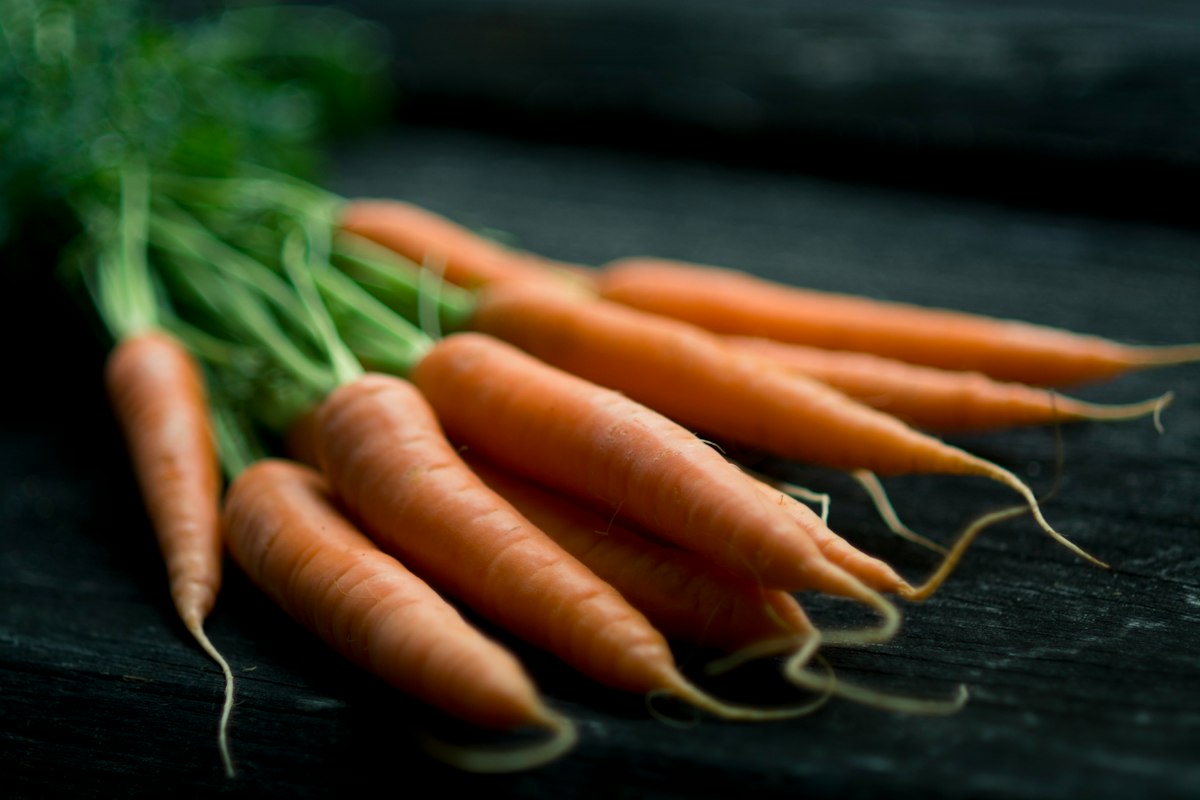
Leafy Greens
Spinach, kale, and collard greens are packed with lutein and zeaxanthin, the carotenoids that form your eye's natural sunscreen.
- High in lutein
- Rich in minerals
- Anti-inflammatory

Berries
Blueberries, bilberries, and blackberries contain anthocyanins, powerful antioxidants that enhance circulation and reduce eye fatigue.
- Anthocyanin-rich
- Improves blood flow
- Reduces strain
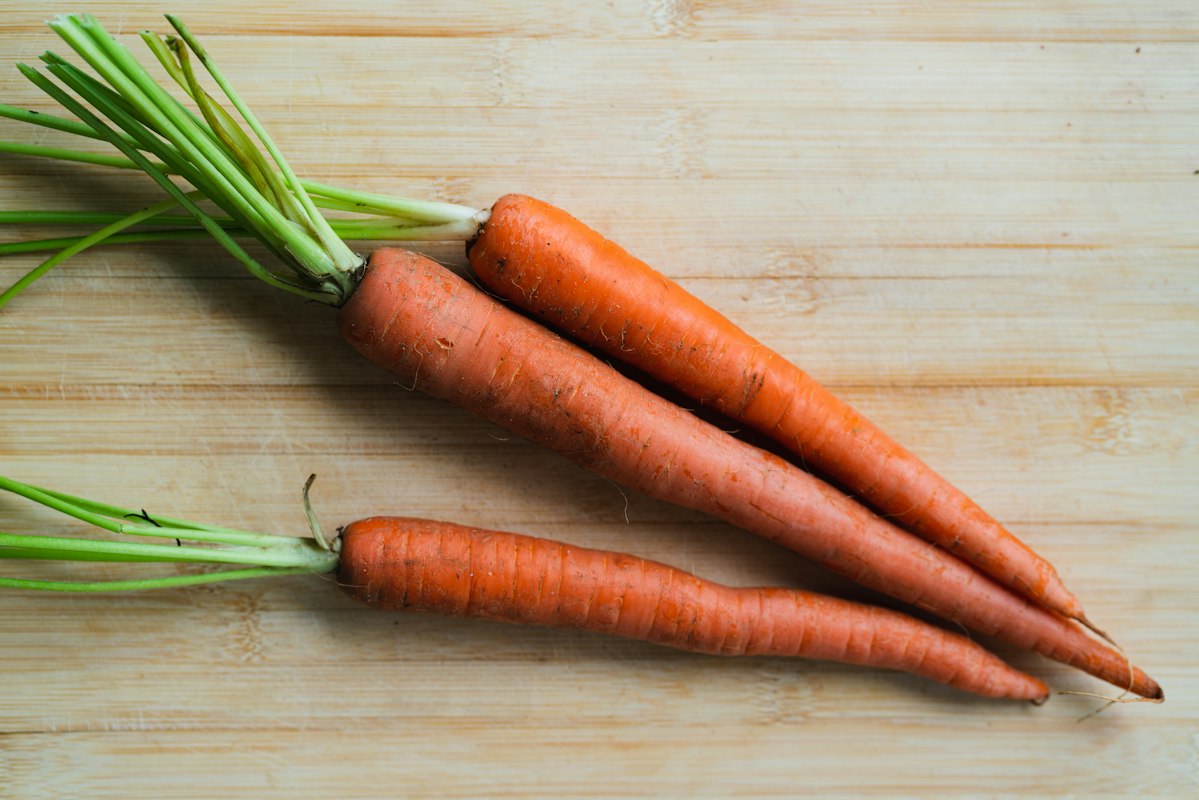
Orange Vegetables
Carrots, sweet potatoes, and pumpkins are rich in beta-carotene, which your body converts to Vitamin A for optimal retinal function.
- Beta-carotene source
- Vitamin A rich
- Night vision support

Fish & Seafood
Salmon, mackerel, and oysters provide omega-3 fatty acids and zinc, essential for retinal health and nutrient absorption.
- Omega-3 fatty acids
- Zinc content
- Retinal support
Nuts & Seeds
Almonds, sunflower seeds, and walnuts are excellent sources of Vitamin E, which protects eye cells from oxidative damage.
- Vitamin E rich
- Cell protection
- Antioxidant power

Citrus Fruits
Oranges, lemons, and grapefruit deliver high doses of Vitamin C, a critical antioxidant that works synergistically with other eye nutrients.
- Vitamin C powerhouse
- Free radical fighter
- Immune support
Your Daily Eye Health Routine
Start with a Balanced Breakfast
Begin each day with a meal that includes at least two eye-supporting nutrients. For example, combine spinach or kale with eggs (for lutein and choline) or pair orange juice with yogurt and almonds (Vitamin C and E).
A strong breakfast establishes your nutritional foundation and primes your body for optimal nutrient absorption throughout the day.
Plan Colorful Lunch & Snacks
Aim for variety in your midday meals by including different colored produce. Red tomatoes offer lycopene, orange carrots provide beta-carotene, and purple grapes contain resveratrol—all beneficial for eye health.
Pack portable snacks like berries, nuts, or carrot sticks to maintain consistent nutrient intake between meals.
Prioritize Eye-Healthy Dinners
Structure your evening meal around fatty fish at least twice per week, combined with substantial portions of leafy greens or roasted vegetables. This combination delivers omega-3s, zinc, and carotenoids all in one meal.
Prepare meals at home when possible to control ingredient quality and ensure maximum nutrient content.
Track & Adjust Weekly
Keep a simple food journal noting which eye-supporting foods you've consumed each day. After two weeks, review your patterns and identify gaps in vitamin intake.
Adjust your meal plan gradually, adding new foods that appeal to your palate while ensuring consistent coverage of all six key vitamin categories outlined in our nutrition guide.
Common Questions About Eye Vitamins
How quickly will I notice improvements in my vision?
Changes in eye health from improved nutrition typically develop gradually over several weeks to months. Some people report reduced eye strain and clearer vision within 4–6 weeks of consistent nutrient intake. However, protective effects against age-related decline develop over years of consistent nutritional support. Think of eye vitamins as prevention and maintenance rather than immediate correction.
Can I get all necessary vitamins from food alone?
Yes, a well-planned diet rich in the foods highlighted in our showcase section can provide sufficient levels of most eye-supporting vitamins. However, modern soil depletion means some nutrients are less concentrated in produce than historically. A rainbow of whole foods remains the optimal first step, with consideration of additional dietary sources if intake falls short of recommended daily amounts.
Are there any side effects from excessive vitamin intake?
While water-soluble vitamins like C are generally safe at higher levels (excess is excreted), fat-soluble vitamins like A and E can accumulate in body tissues. Our guide focuses on food-based sources, which naturally provide balanced amounts. If you have specific health considerations, consult with a healthcare professional about your individual dietary needs.
What if I have allergies or dietary restrictions?
Our comprehensive food showcase includes options across different dietary categories. Vegetarians can focus on leafy greens, nuts, and seeds for lutein and Vitamin E. People with shellfish allergies can substitute other fish species. Our guides provide multiple alternatives for each vitamin category so you can build a nutrition plan aligned with your individual dietary needs and preferences.
How do I know if I'm getting enough of each vitamin?
Our daily nutrition guide includes portion sizes and recommended food combinations that collectively deliver optimal amounts of each key vitamin. By following the rainbow-diet principle—eating different colored foods daily—you naturally ensure diverse nutrient intake. Keep a simple food log and cross-reference against our vitamin sources to verify adequate coverage.
Is this guide suitable for children and older adults?
Yes, but requirements vary by age. Children need smaller portions and fewer calories but similar micronutrient densities. Older adults often need higher B12 and vitamin D due to absorption changes. Always consult healthcare providers for personalized recommendations, especially for children under 5 or adults over 75.
Can I get all vitamins from food alone?
In most cases, yes—a balanced diet covering all food groups provides adequate vitamins. However, certain populations (vegans, those with absorption issues, limited sunlight exposure) may benefit from targeted supplementation. Our guide helps identify potential gaps so you can make informed decisions with your doctor.
How do I know if I'm deficient in a vitamin?
Common signs include fatigue, muscle weakness, bone pain, mood changes, and slow wound healing—though these overlap with many conditions. Blood tests are the only reliable way to confirm deficiency. If you suspect a shortfall, consult your healthcare provider for testing rather than self-diagnosing.
What Our Readers Say
"This guide completely transformed how I think about nutrition. The vitamin charts are so easy to follow, and I finally understand which foods actually matter for my health."
Sarah M.
Registered Dietitian
"I was struggling with energy levels and suspected vitamin deficiency. Using the symptoms checklist here, I identified D3 and B12 gaps. My doctor confirmed it, and I feel amazing now."
James T.
Software Engineer
"As a vegan, I was worried about missing key nutrients. This resource helped me plan meals confidently and confirmed which supplements make sense for my lifestyle."
Emma L.
Plant-Based Athlete
"Clear, science-backed information without the marketing hype. This is exactly what I needed to make smart choices for my family's health."
Michael R.
Parent & Wellness Coach
Start Your Vitamin Journey Today
Use our comprehensive guide to identify nutritional gaps, optimize your diet, and take control of your health. No guesswork, no marketing claims—just evidence-based nutrition.
Always consult with healthcare professionals before making significant dietary or supplementation changes.